
Real Estate Septic Inspections for Home Sales in Eugene, Springfield & Lane County
Buying or selling a home on septic? Get the tank pumped, the system inspected, and a written report your agent, lender, and escrow officer can use, all in one visit. SOS Septic Pumping is Oregon DEQ-certified, family-owned, and schedules around your contingency deadline across Lane, Linn, Benton, and Douglas Counties.
Call NowWho Needs a Real Estate Septic Inspection?

Home Buyers
A septic system can cost more to replace than a roof. Know what you’re buying before the contingency period ends.

Home Sellers
A pre-listing pump and inspection means a clean report for showings and no last-minute repair negotiations in escrow.

Real Estate Agents
One call, one visit, a report you can forward. We work your timeline and communicate with both sides of the deal.

Lenders & Escrow
FHA, VA, USDA, and many conventional lenders ask for a septic evaluation. We provide the documentation they need.
Does Oregon Require a Septic Inspection to Sell a House?
There is no statewide Oregon law that requires a septic inspection on every home sale. In practice, though, one almost always happens, for three reasons:
- Buyers’ agents request it. A septic system is the single most expensive component of a rural property that a general home inspector does not open up. Most buyer’s agents in Lane, Linn, Benton, and Douglas Counties write a septic inspection into the inspection contingency.
- Lenders require it. FHA, VA, and USDA loans routinely require evidence that the onsite system is functioning, and many conventional lenders ask for the same on rural properties.
- Sellers have to disclose. The Oregon Seller’s Property Disclosure Statement asks about the septic system, its permits, and any known problems. A current inspection report is the cleanest way to answer those questions.
Lender and county requirements vary, and they change. If your lender, agent, or county has a specific form or standard in mind, tell us when you book so we can plan the visit around it. The same goes for alternative systems: if the listing mentions a sand filter, mound, or aerobic treatment unit, let us know up front.
On a Contingency Deadline?
Call us with the property address and your inspection deadline. We’ll get it scheduled.
Call (541) 972-6622What’s Included in Our Real Estate Septic Inspection
1. Locate & Access
We find the tank and drain field, pull county records where available, and expose the lids.
2. Pump the Tank
Full pump-out. It’s the only way to see the tank interior, and the buyer gets a serviced system at closing.
3. Inspect the Tank
Walls, baffles, inlet and outlet, lids and risers, liquid level, and signs of leaks or past backups.
4. Evaluate the Drain Field
Distribution box where accessible, surface conditions, saturation, odors, and signs of failure.
5. Written Report
Plain-language findings, photos where useful, and a repair quote if anything needs attention.
What the Report Covers
- Tank type, material, approximate size, and location on the property
- Condition of the tank, lids, risers, and inlet and outlet baffles
- Sludge and scum levels before pumping, which tell you how the system has been maintained
- Water level and whether it indicates a leak or a backed-up drain field
- Drain field condition and any signs of saturation, surfacing, or root intrusion
- Whether the system appears sized and functioning appropriately for the home
- Recommended repairs with a quote, or a clean bill of health
Common Issues We Find During Home-Sale Inspections
- Missing or deteriorated outlet baffles, which let solids into the drain field
- Cracked or missing lids and no risers, so the tank cannot be safely accessed
- Tanks that have not been pumped in 10+ years, with sludge well into the outlet
- Root intrusion in the inlet or outlet line
- Drain fields that are saturated or surfacing, especially in winter on clay soils
- Added bedrooms or bathrooms on a system permitted for a smaller home
- No permit on record, which matters for the seller’s disclosure and future repairs
Most of these are common, well-understood repairs. The point of the inspection is to find them while the parties can still negotiate, not after the keys change hands.
When to Schedule
| Stage | What to do |
|---|---|
| Pre-listing (sellers) | Pump and inspect before photos go up. A clean report is a selling point and avoids repair credits later. |
| Offer accepted (buyers) | Call the same day. Contingency windows in Oregon are often 7–10 business days, and the report needs to be in hand before they close. |
| Site visit | 1–2 hours. Seller or agent access to the property is all we need. Buyers are welcome to attend. |
| Report delivered | Sent to you to forward to your agent, lender, or escrow. Repair quote included if needed. |
| Repairs, if any | The report includes a repair quote so buyer and seller can decide how to handle the work. |
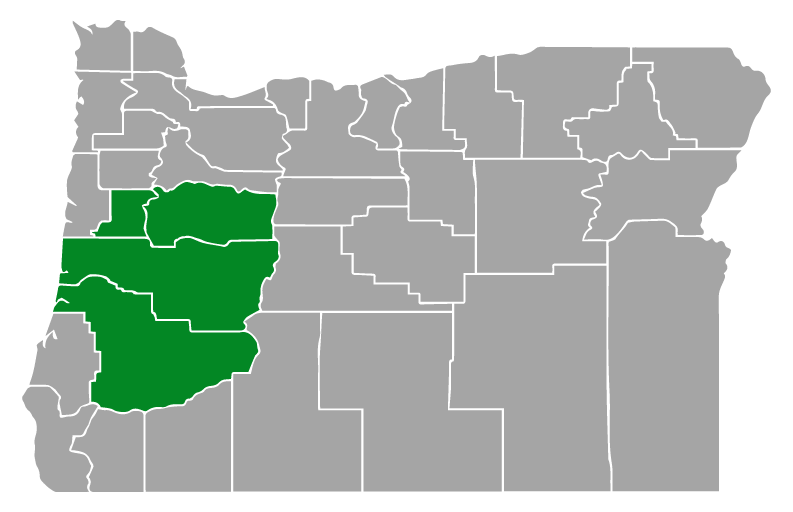
Real Estate Septic Inspections Across Four Counties
We inspect for home sales throughout Lane County (Eugene, Springfield, Cottage Grove, Creswell, Junction City, Veneta, Florence), Benton County (Corvallis, Philomath, Monroe), Linn County (Albany, Lebanon, Sweet Home, Harrisburg), and Douglas County (Roseburg, Sutherlin, Winston, Myrtle Creek). Rural properties outside those towns are our specialty, not an exception.
Real Estate Septic Inspection FAQ
Does Oregon require a septic inspection to sell a house?
Oregon has no statewide law requiring a septic inspection on every home sale. In practice, most buyers’ agents request one during the inspection contingency, many lenders (especially FHA, VA, and USDA loans) require one, and the Oregon Seller’s Property Disclosure asks sellers about the septic system. Some alternative treatment systems also have evaluation requirements at transfer. Confirm with your lender and the county onsite program.
Who pays for the septic inspection, the buyer or the seller?
It is negotiable. Buyers usually order and pay for it as part of their due diligence. Sellers sometimes have the system pumped and inspected before listing so the report is ready for showings and there are no surprises in escrow.
Does a real estate septic inspection include pumping the tank?
Yes. The tank has to be pumped to see the walls, baffles, and inlet and outlet. We do the pump-out and the inspection in one visit, which also gives the buyer a freshly serviced system at closing.
How long does it take, and how fast do I get the report?
The site visit usually takes 1–2 hours. You receive a written report you can forward to your agent, lender, or escrow officer shortly after the visit. Tell us your contingency deadline when you book and we will schedule around it.
What happens if the septic system fails the inspection?
The report spells out what we found and what it would take to fix it. We provide a repair quote so buyer and seller can negotiate who covers the work. Most issues, such as damaged baffles, missing risers, root intrusion, or a broken lid, are common repairs, and the quote lets the parties decide how to handle them.
I just need routine maintenance, not a home sale. Where do I go?
See our standard septic tank inspection and septic tank pumping pages.
Schedule a Real Estate Septic Inspection
Give us the property address and your deadline. We’ll confirm a time and an upfront price.
Call now: 541-972-6622 or
Request online