What to Expect from a Septic Inspection: A Complete Guide
- SOS Septic Pumping
- Sep 1, 2025
- 5 min read
When it comes to protecting your home, few systems work harder behind the scenes than your septic system. If it fails, you’re not only looking at unpleasant odors and potential backups but also expensive repairs and environmental hazards. That’s why a septic inspection isn’t just something you schedule when you suspect a problem—it’s an essential part of ongoing home maintenance.
In this guide, we’ll walk you through exactly what happens during a septic inspection, why it’s important, what the process costs, and how SOS Septic makes the process as smooth and stress-free as possible.
Why a Septic Inspection is Important
Most homeowners don’t think about their septic system until there’s a problem. But regular septic inspections catch small issues before they turn into costly disasters. A failing system can lead to:
- Contaminated groundwater
- Sewage backups into your home
- Drain field failures
- Costly emergency repairs
The truth is, prevention is almost always cheaper than fixing a major breakdown. At SOS Septic, we recommend scheduling an inspection every 1–3 years depending on your household size, water usage, and system age.
Regular septic inspections are the backbone of maintaining a healthy septic system. Many homeowners only think about their septic tank when there’s a problem, but by then, damage is often extensive and expensive to fix. Routine inspections help catch small issues early — before they grow into major repairs or system failures.
At SOS Septic, we recommend scheduling a thorough septic inspection every 1 to 3 years depending on your household size and system usage. This proactive approach helps protect your investment and avoid unexpected emergencies.
When You Should Schedule a Septic Inspection
While routine inspections are essential, there are certain times when a septic system inspection becomes absolutely necessary:
- Buying or selling a home – Most mortgage companies require proof of a recent inspection.
- Before installing a new appliance – Like a hot tub or high-capacity washer, which may change water usage.
- If you notice warning signs – Slow drains, sewage smells, or unusually lush patches of grass over your drain field.
- After severe weather events – Flooding can damage or overwhelm septic systems.
The Septic Inspection Process: Step-by-Step
A professional inspection follows a thorough process to ensure your system is functioning correctly. At SOS Septic, we follow an industry-approved septic inspection checklist to leave no stone unturned.
1. Initial Consultation & Record Review
We start by gathering information about your system: the installation date, pumping history, and any past repairs. If you’ve never had a septic inspection before, don’t worry—our team can track down records or assess the system from scratch.
2. Locating the Septic Tank
Not every homeowner knows exactly where their septic tank is buried. We use specialized locating equipment to find it quickly without tearing up your yard.
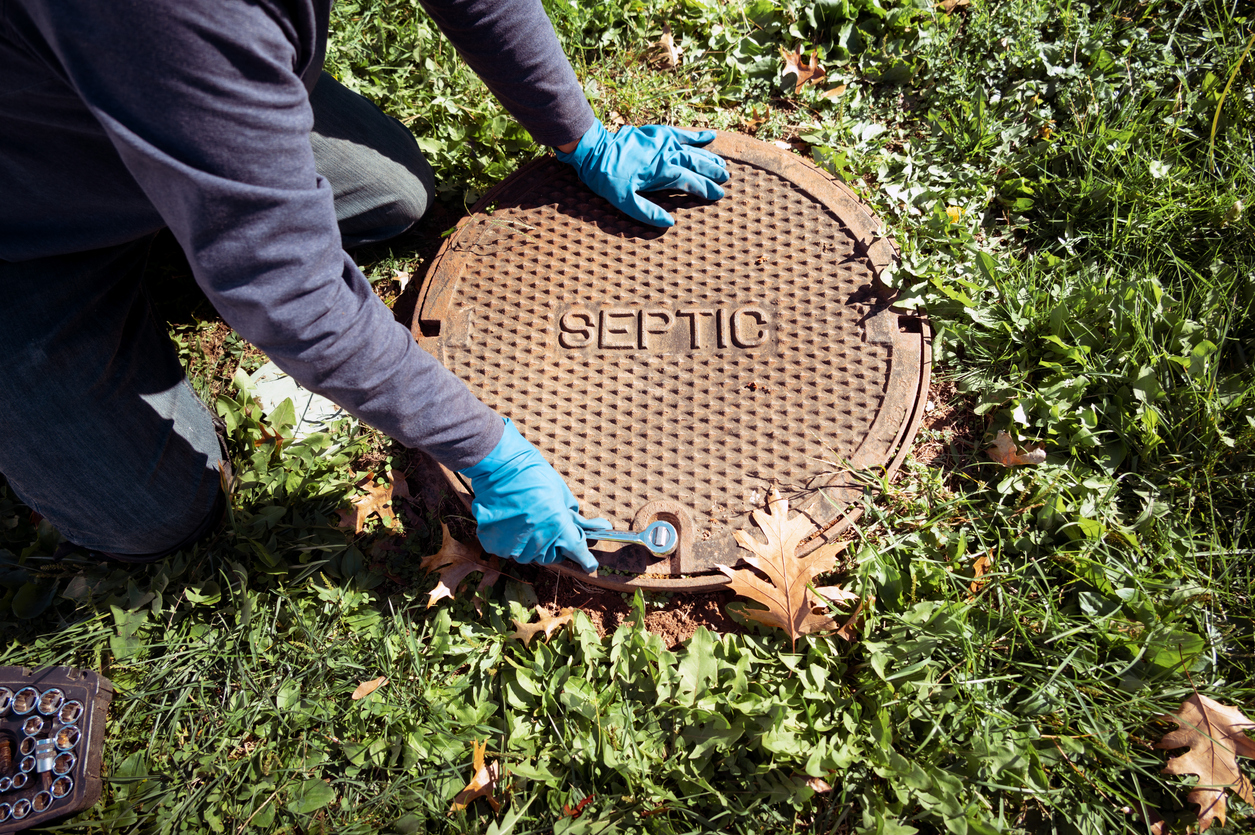
3. Uncovering Access Lids
To properly inspect, we uncover and open the tank’s access lids. This is often where DIY attempts fail—without opening the lids, it’s impossible to see what’s going on inside.
4. Measuring Sludge & Scum Layers
We use tools to measure the thickness of solids and scum inside the tank. This helps determine if pumping is needed and if waste is breaking down properly.
5. Checking Baffles & Tees
These components keep solids in the tank and prevent them from clogging the drain field. If they’re damaged or missing, we recommend immediate repairs.
6. Inspecting the Drain Field
We look for signs of standing water, odors, or excessive vegetation growth, which could indicate system failure.
7. Functional Flow Test
We run water through your home’s plumbing to test how quickly the system accepts and disperses water.
How Long Does a Septic Inspection Take?
Most inspections take 1–2 hours, depending on the size and accessibility of the system. However, if we find issues that require more investigation, it may take longer. The benefit of choosing SOS Septic is that our technicians work efficiently while ensuring every detail is checked.
Septic Tank Inspection Cost
The septic tank inspection cost can vary based on your location, system size, and complexity. On average in Oregon, homeowners can expect to pay $200–$500 for a thorough inspection. While this might sound like a lot, it’s minimal compared to the thousands it could cost if a neglected system fails.
At SOS Septic, we pride ourselves on transparent pricing—no hidden fees and no unnecessary upselling.
Why Regular Inspections Save You Money
The cost of a septic inspection is a small price to pay compared to the financial impact of major system repairs or replacements. Catching problems early saves money in several ways:
- Preventing Drain Field Failure: The drain field is one of the most expensive parts to repair or replace. Routine inspections spot early warning signs like wet spots or slow drainage so you can fix minor issues before they escalate.
- Avoiding Emergency Pumping: If sludge or scum builds up too much, it can clog the system and cause sewage backups. Regular checks help you schedule pumping at the right time, avoiding emergency services that often cost double.
- Detecting Leaks and Cracks Early: A leaking tank can contaminate groundwater and soil, causing environmental damage and legal liabilities. Early detection through inspection allows for targeted repairs rather than full tank replacement.
- Extending System Lifespan: Proper maintenance and timely interventions from routine inspections can extend your septic system’s life by several years, protecting your property value and reducing hassle.
Plus, a well-maintained system improves your property’s value and keeps your family safe from health hazards.
What to Expect from SOS Septic
Choosing SOS Septic means more than just ticking a box for your home maintenance. Here’s why customers throughout Lane County and Douglas County trust us:
- Local expertise – We know the soil conditions, local regulations, and climate challenges that affect septic systems in Oregon.
- State-of-the-art tools – We use industry-leading equipment to locate, test, and evaluate your system without unnecessary disruption.
- Honest recommendations – If your system is in good shape, we’ll tell you. If there’s an issue, we’ll explain exactly what needs fixing and why.
- Friendly, professional team – We treat your property like our own and keep you informed every step of the way.
FAQs About Septic Inspections
Q: How often should I get a septic inspection? Most households should have one every 1–3 years. Large families or high water usage may require more frequent checks.
Q: Can I do my own septic inspection? While you can check for surface signs of trouble, a professional septic system inspection is the only way to truly assess your system’s health.
Q: Will you need to dig up my yard? We only uncover the tank lids, and we replace any disturbed soil neatly when finished.
Q: What if you find a problem? We’ll give you a detailed report, explain the issue, and provide options for repair. If you need a septic inspection near you, SOS Septic also offers repair and pumping services.
Why Choose SOS Septic for Your Routine Inspections?
With decades of experience serving Lane and Douglas Counties, SOS Septic stands out by combining:
- Local expertise: We understand regional soil conditions and regulations better than anyone.
- Comprehensive inspections: Our detailed septic inspection checklist ensures no issue goes unnoticed.
- Customer-focused service: Clear explanations, honest recommendations, and no surprise fees.
- Full-service options: If repairs or pumping are needed, we handle everything seamlessly.
The Bottom Line
A septic system may be out of sight, but it should never be out of mind. Regular septic inspections ensure your system stays functional, efficient, and safe for years to come. By choosing SOS Septic, you’re getting more than a service—you’re getting peace of mind from a team that truly cares about your home and your community.
Regular, routine septic inspections are the smartest way to keep your septic system healthy, your property safe, and your expenses manageable. Don’t wait for a problem to appear—schedule your next inspection with SOS Septic and enjoy the peace of mind that comes from professional, thorough care.