Septic Tank Maintenance: Dos and Don’ts Every Homeowner Should Know
- SOS Septic Pumping
- Mar 1
- 4 min read
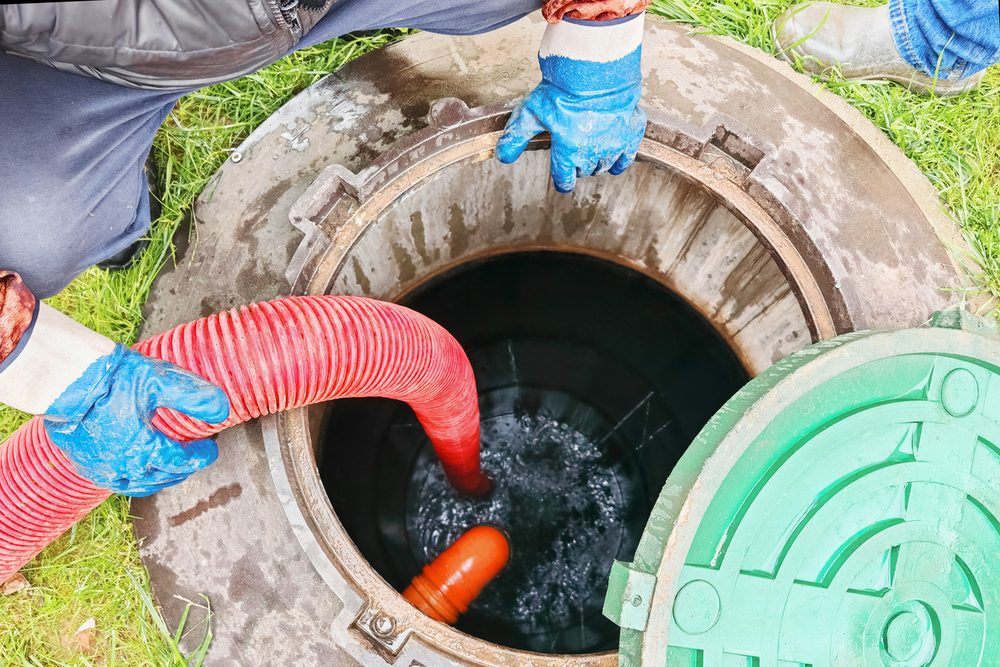
For millions of homeowners, septic systems quietly manage wastewater day after day with little attention, until something goes wrong. When neglected, septic issues can lead to unpleasant odors, slow drains, costly repairs, and even environmental contamination. Proper septic tank maintenance is not just about avoiding emergencies; it’s about protecting your home, your health, and your investment.
This guide breaks down everything homeowners should know about responsible septic tank care, including best practices, common mistakes, and everyday habits that help systems operate efficiently for decades.
Why Septic Tank Maintenance Matters
A septic system is a carefully balanced ecosystem. Inside the tank, natural bacteria break down solid waste while liquids flow into the drain field for filtration. When that balance is disrupted—by poor habits, overuse, or lack of upkeep, the system can fail.
Consistent septic tank maintenance helps:
- Prevent backups and surface pooling
- Reduce the risk of groundwater contamination
- Extend the lifespan of the septic system
- Avoid expensive repairs or full system replacement
Taking a proactive approach to septic tank management allows homeowners to address small issues before they become major problems.
The Do’s of Septic Tank Care
Do Schedule Regular Inspections and Pumping
One of the most important aspects of septic tank care is routine pumping. Most households should have their septic tank pumped every three to five years, depending on tank size, household occupancy, and water usage.
Regular inspections allow professionals to identify cracks, leaks, or early signs of drain field failure, issues that are far easier and less expensive to fix when caught early.
Do Use Water Efficiently
Excessive water use can overwhelm a septic system, pushing solids into the drain field and reducing its ability to filter wastewater effectively. Spacing out laundry loads, repairing leaks promptly, and installing water-efficient fixtures all support responsible septic tank management.
Do Protect the Drain Field
The drain field plays a critical role in wastewater treatment. Keep vehicles, heavy equipment, and structures away from this area to prevent soil compaction and pipe damage. Plant only shallow-rooted vegetation nearby to avoid root intrusion.
Following established septic system guidelines ensures that both the tank and drain field function as intended.
The Don’ts Every Homeowner Should Follow
Don’t Flush or Drain Harmful Materials
Many septic problems begin with what goes down the drain. Items that should never be flushed or poured into a septic system include:
- Grease, fats, and cooking oils
- Wipes (even those labeled “flushable”)
- Feminine hygiene products
- Diapers and paper towels
- Harsh chemicals, solvents, or paint
These materials interfere with bacterial activity and increase the risk of clogs, making septic tank maintenance far more challenging.
Don’t Ignore Warning Signs
Slow drains, gurgling pipes, sewage odors, or unusually green grass over the drain field are early indicators of septic trouble. Ignoring these signs can lead to backups or system failure, compromising both property and septic tank safety.
Don’t Rely on Additives as a Fix
While some additives claim to improve septic performance, they are not a substitute for proper pumping and professional care. In some cases, additives can disrupt the natural bacterial balance, doing more harm than good.
Daily Habits That Support Long-Term Septic Health
Responsible septic ownership doesn’t require constant attention just thoughtful habits. Simple changes in daily routines can significantly extend system life.
Mindful water usage, responsible waste disposal, and awareness of system limits all contribute to effective septic tank care. Educating household members about what can and cannot go down the drain is one of the most effective preventive measures.
By aligning everyday behavior with proven septic system guidelines, homeowners reduce stress on the system and improve overall performance.
Preventing Costly Repairs Through Proactive Maintenance
Septic system failures are among the most expensive home repairs, often costing thousands of dollars to resolve. Fortunately, most failures are preventable with consistent septic tank maintenance.
Routine pumping removes accumulated solids before they migrate into the drain field. Regular inspections identify vulnerabilities early. Together, these practices dramatically reduce the likelihood of system breakdowns and environmental hazards.
Effective septic tank management is not reactive, it’s preventative.
FAQs
How often should a septic tank be maintained for a typical household?
Most households should schedule professional septic inspections annually and pumping every three to five years. Usage patterns, tank size, and household size can affect this timeline, so individualized recommendations are best.
What items should never be flushed into a septic tank?
Non-biodegradable items, grease, wipes, feminine products, and harsh chemicals should never enter a septic system. These materials disrupt bacterial activity and increase the risk of clogs and failures.
What are the biggest mistakes homeowners make with septic tank maintenance?
Common mistakes include skipping regular pumping, overusing water, flushing inappropriate materials, and ignoring early warning signs. Each of these compromises septic tank safety and system longevity.
Can proper septic tank maintenance prevent system failures and costly repairs?
Yes. Consistent maintenance is the most effective way to prevent backups, drain field damage, and full system replacement. Proactive care significantly lowers long-term costs.
What daily habits help extend the life of a septic tank?
Using water efficiently, disposing of waste responsibly, and protecting the drain field are key habits. These practices support balanced bacterial activity and long-term system health.
Final Thoughts
Septic systems are designed to last, but only when properly cared for. By following best practices, avoiding common mistakes, and committing to routine septic tank maintenance, homeowners can protect their property, avoid unexpected expenses, and ensure safe, reliable wastewater management for years to come.
A well-maintained septic system is not just a convenience, it’s a critical component of a healthy home.
Tags: