How Weather in Oregon Affects Your Septic System
- SOS Septic Pumping
- Jun 1
- 6 min read
Updated: Jun 23

Understanding Seasonal Septic Challenges in Oregon
Oregon’s climate is known for its rainy seasons, fluctuating temperatures, and damp soil conditions. While these environmental changes are part of everyday life for homeowners across the state, many people do not realize how much weather can affect septic system performance. From saturated drain fields during heavy rain to frozen pipes in colder temperatures, the septic system weather impact in Oregon can be significant if preventative maintenance is ignored.
Understanding how weather affects septic tank systems helps homeowners reduce costly repairs, improve system efficiency, and avoid unexpected failures throughout the year. Whether dealing with winter freezes or long periods of rainfall, proper care and awareness are essential for maintaining a healthy septic system.
This guide explains the most common seasonal concerns, including septic system problems rain can cause, cold weather septic system issues, and the best practices for septic system maintenance weather conditions in Oregon.
Why Oregon Weather Creates Unique Septic Challenges
The septic system weather impact in Oregon is different from many other states because of the region’s wet climate and seasonal temperature shifts.
Oregon frequently experiences:
- Heavy rainfall during fall and winter
- Saturated soil conditions
- Freezing temperatures in some regions
- Rapid seasonal transitions
- Long periods of moisture accumulation
These conditions directly affect how wastewater moves through the septic tank and drain field.
When homeowners understand how weather affects septic tank systems, they can take proactive steps to prevent backups, flooding, and drain field damage before serious problems occur.
How Heavy Rain Impacts Septic Systems
One of the biggest septic system weather impact concerns in Oregon involves prolonged rainfall.
Heavy rain saturates the soil surrounding the drain field, making it harder for wastewater to filter properly. When the ground becomes overly saturated, the system may struggle to absorb and disperse wastewater efficiently.
This often leads to septic system problems rain commonly causes, including:
- Slow drains inside the home
- Standing water near the drain field
- Sewage odors outdoors
- Backups in sinks or toilets
- Overloaded drain fields
Understanding how weather affects septic tank drainage during rainy months is critical for avoiding expensive repairs.
Septic System Problems Rain Can Cause
Many homeowners underestimate how serious septic system problems rain can create over time.
Excess moisture places added pressure on the entire system. If water cannot properly filter through the soil, wastewater may remain trapped near the surface.
Common septic system problems rain contributes to include:
Drain Field Flooding
Saturated soil prevents proper drainage and can lead to standing wastewater.
Tank Overload
Heavy rainfall increases groundwater pressure around the septic tank, reducing efficiency.
Pipe Blockages
Excess water movement can shift soil and place stress on underground lines.
Contaminated Soil
Overflowing wastewater can impact surrounding landscaping and groundwater quality.
The septic system weather impact becomes especially severe when systems are already aging or overdue for maintenance. This is why it's ideal to stay connected with your local septic professionals.
Heat & Dry Weather Septic System Issues in Oregon
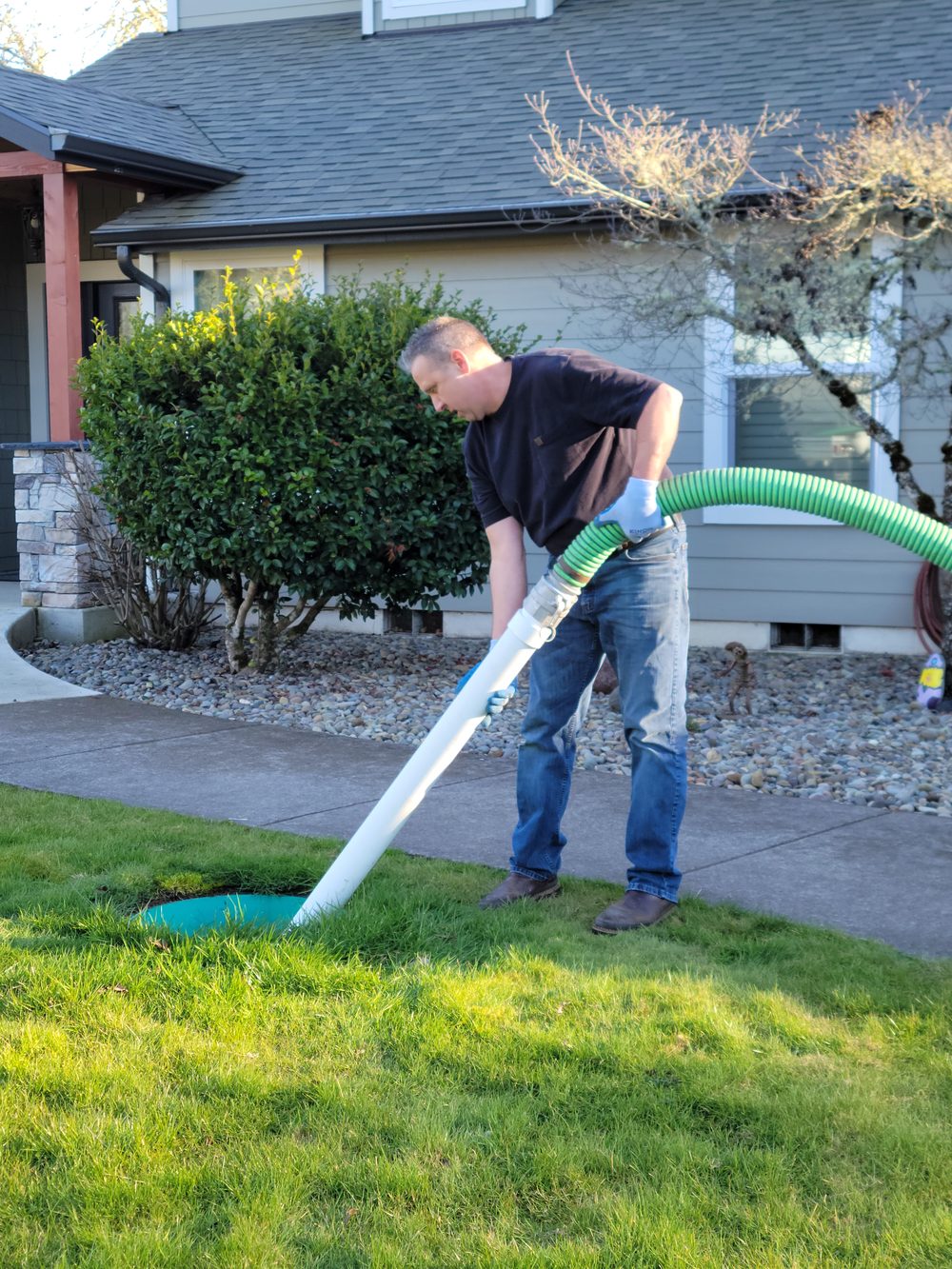
While Oregon is known for its rainy seasons, summer heat and extended dry periods can also create serious septic concerns. Hot temperatures and dry soil conditions can impact how efficiently a septic system operates, especially during long stretches of summer weather.
One major septic system weather impact during hot weather is soil hardening. When the ground becomes overly dry, drain fields may struggle to properly absorb and filter wastewater. This can place additional strain on the entire system and increase the risk of backups or slow drainage.
Additional warm weather septic concerns may include:
- Dry, compacted soil around the drain field
- Increased water usage during summer months
- Slow absorption in hardened ground
- Odors caused by heat and evaporation
- Stress on aging septic components
Understanding how weather affects septic tank performance during Oregon’s hotter months helps homeowners prevent avoidable seasonal problems.
How Hot Weather Affects Septic Systems
Summer heat can significantly influence septic efficiency, especially when systems are not properly maintained. Extended dry periods may cause soil around the drain field to shrink and harden, limiting the system’s ability to process wastewater effectively.
The septic system weather impact during summer can become worse if:
- Water usage increases dramatically
- Grass above the drain field dies or becomes thin
- Heavy vehicles compact dry soil above septic lines
- The system is overdue for pumping or maintenance
High temperatures can also intensify odors and expose existing drainage issues that were less noticeable during cooler months. Practicing proper septic system maintenance weather preparation before peak summer temperatures can help improve efficiency and reduce seasonal strain on the system.
Seasonal Changes and Drain Field Damage
Seasonal transitions also contribute to septic system weather impact concerns throughout Oregon.
During spring, melting rainwater and shifting soil conditions place additional stress on drain fields. Repeated wet-dry cycles can weaken soil structure and affect drainage performance over time.
This is one reason septic system problems rain creates may not appear immediately. Damage often develops gradually as the soil loses its ability to absorb wastewater effectively.
Homeowners should monitor for:
- Soft or soggy ground
- Uneven grass growth
- Persistent odors
- Pooling water near the drain field
These warning signs may indicate long-term septic system weather impact damage.
Septic System Maintenance During Oregon’s Rainy Season
Preventative care is essential for reducing septic system weather impact throughout the year.
Important septic system maintenance weather strategies include:
Schedule Regular Pumping
Routine septic pumping prevents system overload during periods of heavy rain.
Divert Excess Water
Redirect gutters, downspouts, and drainage systems away from the drain field.
Avoid Compacting Soil
Do not park vehicles or place heavy equipment above septic components.
Limit Water Usage During Storms
Reducing indoor water use during heavy rainfall helps prevent overload.
Inspect for Early Warning Signs
Address small drainage issues before they become major repairs.
These septic system maintenance weather practices help improve system reliability regardless of seasonal conditions.
Warning Signs Your Septic System Is Weather-Stressed
Recognizing early signs of septic system weather impact problems can help prevent emergencies.
Common indicators include:
- Slow-draining sinks or tubs
- Gurgling plumbing noises
- Sewage smells indoors or outdoors
- Standing water near the drain field
- Toilets backing up during storms
Many of these symptoms are linked directly to septic system problems rain and freezing temperatures can trigger.
Ignoring these warning signs often leads to more expensive repairs later.
How to Protect Your Septic System Year-Round
The best way to reduce septic system weather impact is through consistent maintenance and seasonal preparation.
Helpful long-term practices include:
- Scheduling annual inspections
- Monitoring drainage around the property
- Protecting pipes during freezing weather
- Conserving water during storms
- Keeping trees away from drain lines
Understanding how weather affects septic tank systems allows homeowners to take a proactive approach instead of reacting after failures occur.
Why Professional Inspections Matter
Professional inspections are one of the most important parts of septic system maintenance weather preparation.
Experienced technicians can identify:
- Drain field saturation
- Pipe damage
- Early freezing risks
- Tank overflow concerns
- Soil absorption issues
Routine evaluations help reduce long-term septic system weather impact damage while improving system lifespan and efficiency.
Final Thoughts
Oregon’s climate creates unique challenges for septic systems throughout the year. From heavy rainfall to freezing temperatures, the septic system weather impact can affect drainage, efficiency, and long-term performance if left unmanaged.
Understanding how weather affects septic tank systems helps homeowners recognize early warning signs, reduce septic system problems rain can create, and prevent cold weather septic system issues before they become severe.
By following proper septic system maintenance weather practices and scheduling routine inspections, homeowners can protect their systems, avoid costly repairs, and maintain reliable performance year-round.
FAQ
How does weather in Oregon affect septic systems?
The septic system weather impact in Oregon includes heavy rainfall, saturated soil, freezing temperatures, and seasonal shifts that affect drainage and system efficiency.
Can heavy rain cause septic system problems in Oregon?
Yes. Septic system problems rain often causes include drain field flooding, slow drainage, sewage backups, and standing water.
How does cold weather impact septic tanks in Oregon?
Cold weather septic system issues may include frozen pipes, slower waste breakdown, blocked lines, and reduced drainage efficiency.
What septic maintenance is needed during Oregon’s rainy season?
Important septic system maintenance weather tasks include regular pumping, water conservation, drainage management, and inspections.
Can seasonal changes damage septic drain fields in Oregon?
Yes. Seasonal moisture fluctuations and soil saturation can weaken drain field performance and contribute to long-term septic system weather impact issues.
Tags:
- Eugene Septic Tips
- Septic Cleaning Tips
- septic system education
- Oregon Septic Maintenance
- Tank Maintenance Guide
- Septic Care Tips
- Septic Cleaning Benefits
- Septic System Longevity
- Professional Septic Maintenance
- Septic Tank Care Guide
- Septic Cleaning vs Inspection
- Septic Maintenance Scheduling
- Eco-Friendly Septic Solutions
- Efficient Septic Solutions
- Septic System Health Tips
- Tank Troubleshooting
- Weather Impact on Septic Systems
- Septic System Seasonal Challenges
- Seasonal Septic Maintenance
- Rainy Season Septic Tips
- Cold Weather Septic Care