
Septic Tank Pumping in Springfield, OR: When and Why It's Needed
- SOS Septic Pumping
- Jul 1
- 5 min read
Updated: Jul 28

Your septic system is one of the most important parts of your home, yet it's often overlooked until a problem arises. Regular maintenance, especially septic pumping, plays a critical role in keeping your system operating efficiently and preventing costly repairs. Ignoring routine service can lead to unpleasant odors, slow drains, backups, and even complete system failure.
For homeowners, understanding when to schedule septic tank services in Springfield Oregon, SOS can help protect both your property and your investment. Whether you've recently purchased a home with a septic system or have owned one for years, knowing the signs of a full tank and the benefits of preventative maintenance can save you significant time and expense.
What Is Septic Tank Pumping?
A septic tank is designed to collect and treat wastewater from your home. Over time, solid waste settles to the bottom of the tank as sludge, while oils and grease float to the top as scum. The remaining liquid flows into the drain field for additional treatment.
However, sludge and scum continue to build up over time. When the tank reaches capacity, it can no longer properly separate and process waste. This is why regular septic tank pumping services in Springfield Oregon are essential.
Professional pumping removes accumulated solids from the tank, helping maintain system efficiency and reducing the risk of serious issues.
Why Septic Tank Pumping Is Important
Routine pumping offers several important benefits for homeowners.
Prevents System Backups
One of the most common reasons for scheduling septic services in Springfield Oregon is to avoid sewage backups. When a tank becomes too full, wastewater may back up into sinks, tubs, and toilets, creating unpleasant and potentially hazardous conditions.
Protects the Drain Field
A neglected septic tank can allow excess solids to enter the drain field. Once the drain field becomes clogged, repairs can be extensive and expensive. Regular pumping helps protect this critical component of your septic system.
Extends System Lifespan
Like any major home system, proper maintenance helps maximize longevity. Investing in routine septic tank maintenance services in Springfield Oregon can help your septic system function efficiently for decades.
Saves Money
Preventative maintenance is significantly less expensive than replacing a failed septic system. Regular pumping helps identify potential problems before they become major repairs.
How Often Should You Schedule Septic Pumping?
One of the most common questions homeowners ask is how frequently they should schedule septic tank pumping in Springfield Oregon.
Although every property is different, most residential septic systems should be pumped every three to five years.
Several factors influence how often pumping may be needed:
Household Size
More people generate more wastewater, causing tanks to fill faster.
Tank Size
Smaller tanks generally require more frequent pumping.
Water Usage
Homes with heavy water use may need service more often.
Garbage Disposal Use
Frequent disposal use increases the amount of solids entering the septic system.
Because every household is different, a professional septic inspection can help
determine the best pumping schedule for your property.
Signs Your Septic Tank Needs Pumping
Knowing the warning signs of a full tank can help prevent serious issues.
Slow Drains
If sinks, showers, and bathtubs begin draining slowly, your septic tank may be nearing capacity.
Sewage Odors
Unpleasant smells around drains or near the septic tank often indicate that pumping is overdue.
Pooling Water
Standing water around the drain field may signal a septic issue that requires immediate attention.
Lush Grass Over the Drain Field
Excessively green or fast-growing grass near the drain field can indicate wastewater leakage.
Gurgling Pipes
Strange noises coming from plumbing fixtures may be another sign that your septic tank needs attention.
If you notice any of these symptoms, scheduling septic pumping near Springfield Oregon as soon as possible can help avoid more severe problems.
What Happens During Professional Septic Pumping?
Many homeowners are unfamiliar with what occurs during a pumping appointment.
Tank Inspection
Technicians locate and inspect the septic tank and evaluate its condition.
Measuring Sludge Levels
Professionals determine how much waste has accumulated inside the tank.
Pumping the Tank
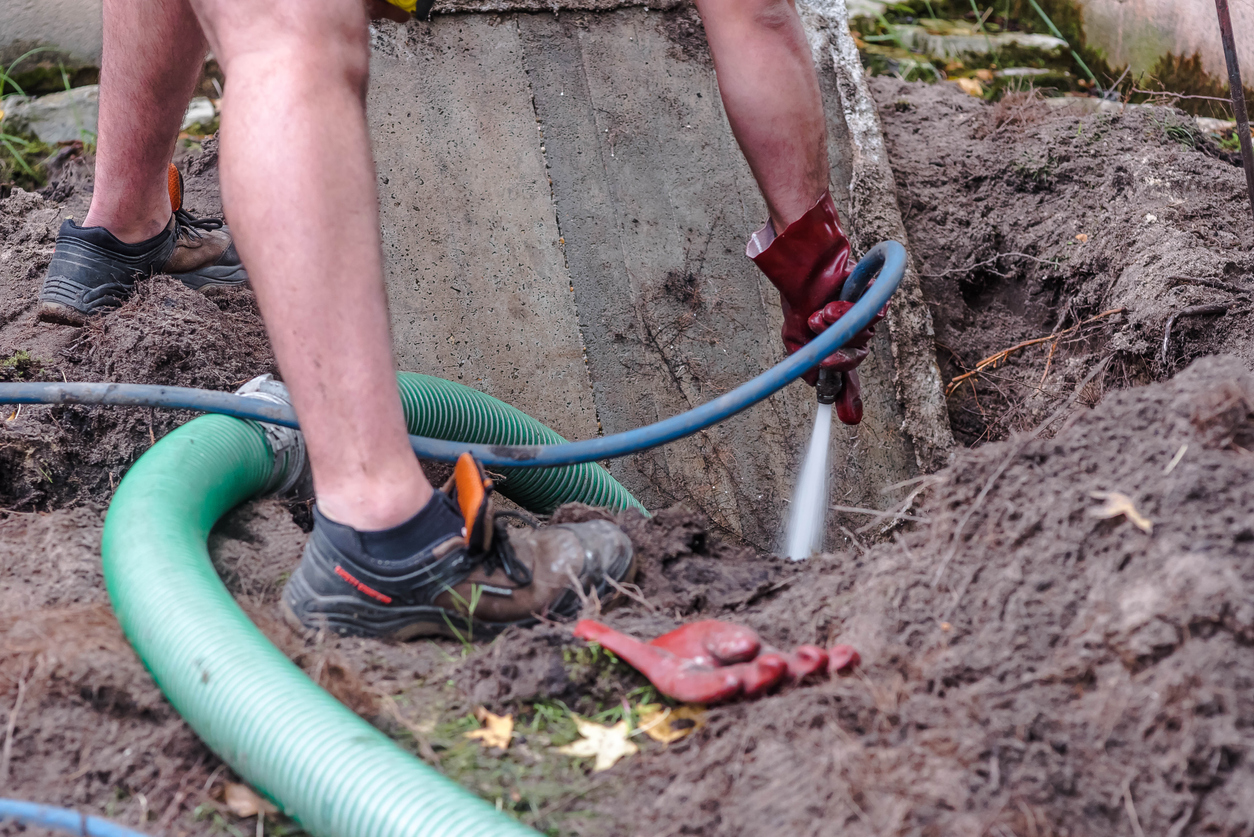
Specialized equipment removes sludge, scum, and wastewater from the tank.
System Evaluation
Technicians may inspect components such as baffles and look for signs of damage or potential issues.
Maintenance Recommendations
After service, homeowners often receive guidance on future maintenance schedules and recommendations to keep the system operating properly.
Routine septic service appointments in Springfield Oregon not only remove waste but also help identify issues before they become costly repairs.
How Regular Septic Maintenance Prevents System Failure
Many septic emergencies occur because routine maintenance was postponed.
Regular septic tank maintenance can help:
- Prevent backups and overflows
- Protect the drain field
- Extend the life of the system
- Reduce costly emergency repairs
- Improve overall system performance
- Provide peace of mind
A properly maintained septic system is more efficient, reliable, and less likely to experience unexpected failures.
Tips for Maintaining Your Septic System
In addition to routine pumping, homeowners can take several steps to improve septic performance.
Conserve Water
Reducing excessive water use helps prevent unnecessary strain on the system.
Avoid Flushing Non-Biodegradable Items
Items such as wipes, paper towels, and hygiene products should never enter the septic system.
Limit Grease and Oil Disposal
Grease and cooking oils can contribute to buildup inside the tank.
Protect the Drain Field
Avoid parking vehicles or placing heavy structures over the drain field.
Follow a Pumping Schedule
Scheduling regular Septic Tank Pumping Springfield Oregon services is one of the most effective ways to maintain system health.
Why Professional Septic Services Matter
Septic systems are complex and require specialized equipment and expertise.
Working with professionals ensures:
- Proper waste removal
- Accurate inspections
- Early detection of problems
- Safe system maintenance
- Compliance with local regulations
Choosing experienced providers for Septic Pumping Near Springfield Oregon can help homeowners avoid unnecessary expenses and keep their systems functioning properly for years to come.
Final Thoughts
Regular septic tank pumping services in Springfield Oregon are essential for maintaining the health and longevity of your septic system. By understanding the signs of a full tank and following a preventative maintenance schedule, homeowners can reduce the risk of backups, protect their drain fields, and avoid
costly repairs.
Whether you've noticed slow drains or simply want to stay proactive with your home's septic tank maintenance, scheduling professional septic services is one of the best investments you can make in your home's infrastructure.
FAQs
How often should I schedule septic pumping in Springfield, OR?
Most residential septic systems should be pumped every three to five years, although household size, tank capacity, and water usage may require more frequent service.
What are the signs that my septic tank needs pumping?
Common signs include slow drains, sewage odors, pooling water, unusually green grass over the drain field, and gurgling plumbing fixtures.
How much does septic tank pumping cost in Springfield, OR?
Costs can vary depending on tank size, accessibility, and service requirements. Contacting a local provider is the best way to receive an accurate estimate.
Can regular septic pumping help prevent system failures?
Yes. Routine pumping removes accumulated solids, protects the drain field, and significantly reduces the risk of expensive septic system failures.
What happens during a professional septic pumping service?
A professional service typically includes locating the tank, inspecting the system, measuring sludge levels, pumping the tank, and evaluating components for
potential issues or repairs.
Tags:
- Eugene Septic Tips
- Septic Cleaning Tips
- septic system education
- septic system tips
- Oregon Septic Maintenance
- Septic Cleaning Schdeule
- Tank Maintenance Guide
- Septic Care Tips
- Septic Cleaning Benefits
- Septic System Longevity
- septic tank education
- Professional Septic Maintenance
- Septic Tank Care Guide
- Septic Cleaning vs Inspection
- Septic Maintenance Scheduling
- Efficient Septic Solutions
- Septic System Health Tips
- Septic System Seasonal Challenges
- Seasonal Septic Maintenance
- Signs of Septic Issues
- Septic System Efficiency Tips
- Preventative Septic Care
- Springfield Septic Maintenance
- Septic Pumping Essentials