10 Common Septic System Problems and Why Regular Cleaning in Eugene, Oregon Matters
- SOS Septic Pumping
- Nov 25, 2025
- 6 min read
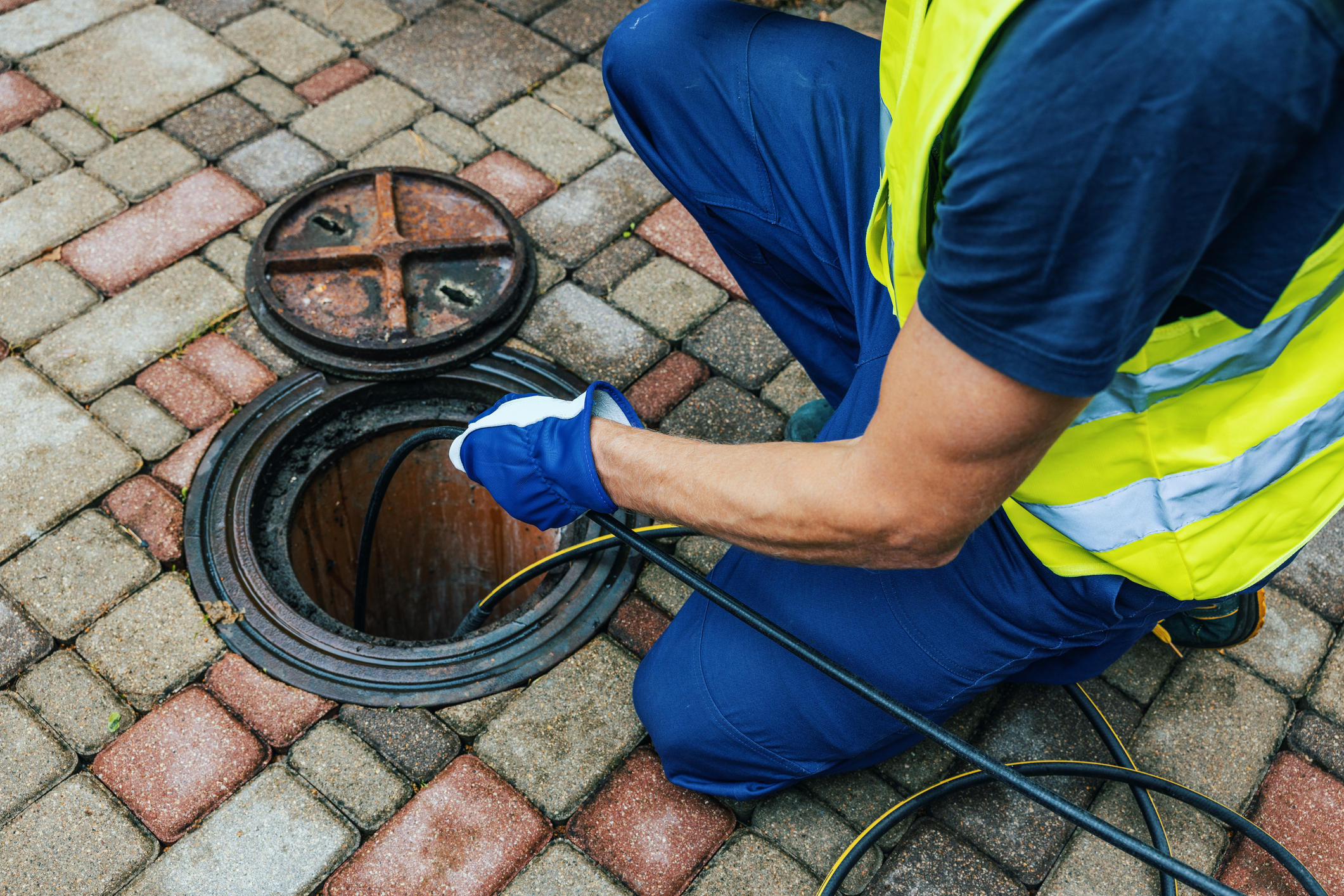
A properly functioning septic system is easy to overlook—until something goes wrong. When a system fails, it impacts everything from household plumbing to ground quality, water safety, and repair costs. Understanding the most common septic system problems and how regular maintenance prevents them is essential for every homeowner in Eugene, Oregon and beyond.
Routine septic tank cleaning is one of the most effective ways to extend the life of your system, avoid costly repairs, and ensure wastewater is processed safely. In fact, cleanliness and preventative care are at the center of the most common septic tank problems and solutions.
Whether you’re a new homeowner or managing a long-standing property, this guide breaks down the issues you’re most likely to face, how to recognize warning signs, and why staying proactive can save you thousands in repairs.
- Slow Drains and Backups
Slow drains are often one of the earliest signs of common septic system problems. While it may seem like a small plumbing issue, consistent drainage delays usually signal something happening deeper in the septic system—most often a clog, a blocked inlet pipe, or a tank that’s nearing capacity.
Why It Happens:
- Sludge buildup inside the tank reduces space for wastewater to flow and separate properly.
- Grease accumulation in household plumbing slows drainage and restricts pipe openings.
- Non-biodegradable items—such as wipes, paper towels, or hygiene products—create clogs that the system can’t break down.
Solution:
The most reliable fix is to schedule septic tank cleaning before the tank gets too full. Pumping every 3–5 years (more often for larger or high-use households) keeps wastewater moving freely and prevents backups.
For a helpful seasonal overview of what to expect during service, check out Septic Tank Pumping in Eugene: What to Expect from Local Professionals This Fall.
2. Sewage Odors Indoors or Outdoors
Persistent foul smells—inside the home or drifting across your yard—are one of the most obvious signs of septic system issues. Odors occur when the system can’t properly process or vent wastewater, allowing gases to escape where they shouldn’t.
Why it happens:
- A full tank that’s no longer separating and filtering waste efficiently
- Blocked or damaged vents preventing gases from escaping through the roofline
- Drain field failure, which forces wastewater toward the surface instead of dispersing underground
Solution:
Start with a professional inspection and septic tank pumping. If odors continue, a technician can check for pipe blockages, vent obstructions, or early signs of drain field trouble. Many of these septic system problems are simple and inexpensive to fix when caught early.
3. Standing Water or Wet Spots Near the Drain Field
A properly functioning drain field should absorb treated wastewater without any visible moisture. When you begin noticing wet patches, soggy soil, or pooling water, it’s a warning sign that something is preventing the ground from dispersing effluent.
Why it happens:
- Oversaturated soil, often from heavy rainfall or poor drainage
- Drain field clogs caused by solids reaching the field
- Hydraulic overload, usually from a full tank pushing out too much wastewater
Solution:
Reduce household water usage right away and schedule a septic inspection. Businesses or high-use properties can learn more about how usage impacts drain fields in the article “When Should You Service Your Commercial Septic System?” This helps prevent long-term soil damage and costly system failure.
4. Gurgling Sounds in Plumbing Fixtures
Gurgling noises coming from sinks, showers, or toilets may seem minor, but they’re often early indicators of septic system issues. These sounds suggest that air is trapped in pipes or that wastewater isn’t flowing freely.
Why it happens:
- Blocked or obstructed vents
- Partial pipe blockages
- Waste backing up from a septic tank near capacity
Solution:
Book septic tank cleaning and ask a technician to inspect plumbing vents. Addressing this early helps prevent major blockages, backups, and septic tank problems that require expensive excavation.
5. Slow Toilet Flushing or Frequent Clogs
Toilet clogs that happen repeatedly—despite proper use—often point to deeper septic system issues rather than simple plumbing problems.
Why it happens:
- A tank that’s nearing capacity
- Obstructed or damaged sewer lines
- Drain field saturation, which slows wastewater movement
Solution:
Pump the tank and take steps to avoid flushing items that commonly cause septic tank issues, such as wipes, paper towels, or hygiene products. Consistent clogs are one of the most overlooked early warning signs of septic failure.
6. Greener Grass Over the Septic Drain Field
While a bright green lawn might seem like a good thing, unusually lush grass directly over your septic drain field is a classic sign of trouble. This is because leaking wastewater acts like fertilizer.
Why it happens:
- Nutrient-rich effluent rising to the surface
- Drain field collapse or failure allowing wastewater to escape
Solution:
Call a septic professional immediately. A leaking drain field can quickly become a serious environmental and structural problem, and early intervention is essential to avoid costly system replacement.
7. High Nitrates in Well Water
For properties with well water, elevated nitrate levels are one of the most dangerous septic system problems. Contamination indicates that wastewater is seeping into the groundwater supply.
Why it happens:
- A leaking septic tank
- Failing drain field that allows untreated wastewater into the soil
Solution:
Schedule an emergency inspection and avoid drinking or using well water until repairs are completed. High nitrates pose significant health risks, especially to infants and pregnant individuals.
8. Tree Root Infiltration
Tree roots naturally seek moisture, making them a major threat to septic lines and tanks. Even small cracks can invite roots to grow inside pipes, creating blockages and system damage.
Why it happens:
- Trees planted too close to the system
- Hairline cracks in pipes or tank joints
Solution:
A technician can perform root cutting, pipe repair, or component replacement as needed. Prevent future problems by keeping trees and large shrubs well away from septic system components.
9. Overflowing Septic Tank
Few septic system issues are as disruptive—and preventable—as an overflowing tank. When the tank isn’t pumped regularly, solids build up and force wastewater into the home or yard.
Why it happens:
- Skipping routine pumping
- Heavy household water use
- Unexpected guests or higher occupancy
Solution:
Stick to a maintenance schedule and watch for early warning signs. The guide “Key Signs Your Septic Tank Needs Pumping” offers helpful tips homeowners often overlook.
10. System Failure Due to Lack of Maintenance
Most septic tank problems and solutions share one root cause: inconsistent maintenance. In Eugene—where weather, soil saturation, and seasonal changes affect system performance—regular inspections and pumping are critical.
Routine servicing keeps the system functioning efficiently, extends its lifespan, and prevents costly emergency repairs.
1. Improved System Efficiency
Removing sludge buildup ensures wastewater flows smoothly through the tank and into the drain field.
2. Longer System Life
Regular septic tank cleaning prevents early system deterioration, saving homeowners thousands in premature replacements.
3. Reduced Risk of Emergency Repairs
Clogs, backups, and leaks are significantly less likely in a well-maintained system.
4. Lower Long-Term Costs
Preventative septic cleaning is far cheaper than repairing or rebuilding a damaged drain field.
5. Better Environmental Protection
Clean systems prevent contamination of soil and groundwater—especially important for properties with wells.
When Should You Schedule Septic Tank Cleaning in Eugene?
Most households should book service every 3–5 years, though certain conditions require more frequent attention:
- Larger families
- Older systems
- Garbage disposal use
- Heavier water usage
If you’re unsure how often your tank needs pumping, local insights from Septic Tank Pumping in Eugene: What to Expect from Local Professionals This Fall can help you understand seasonal considerations.
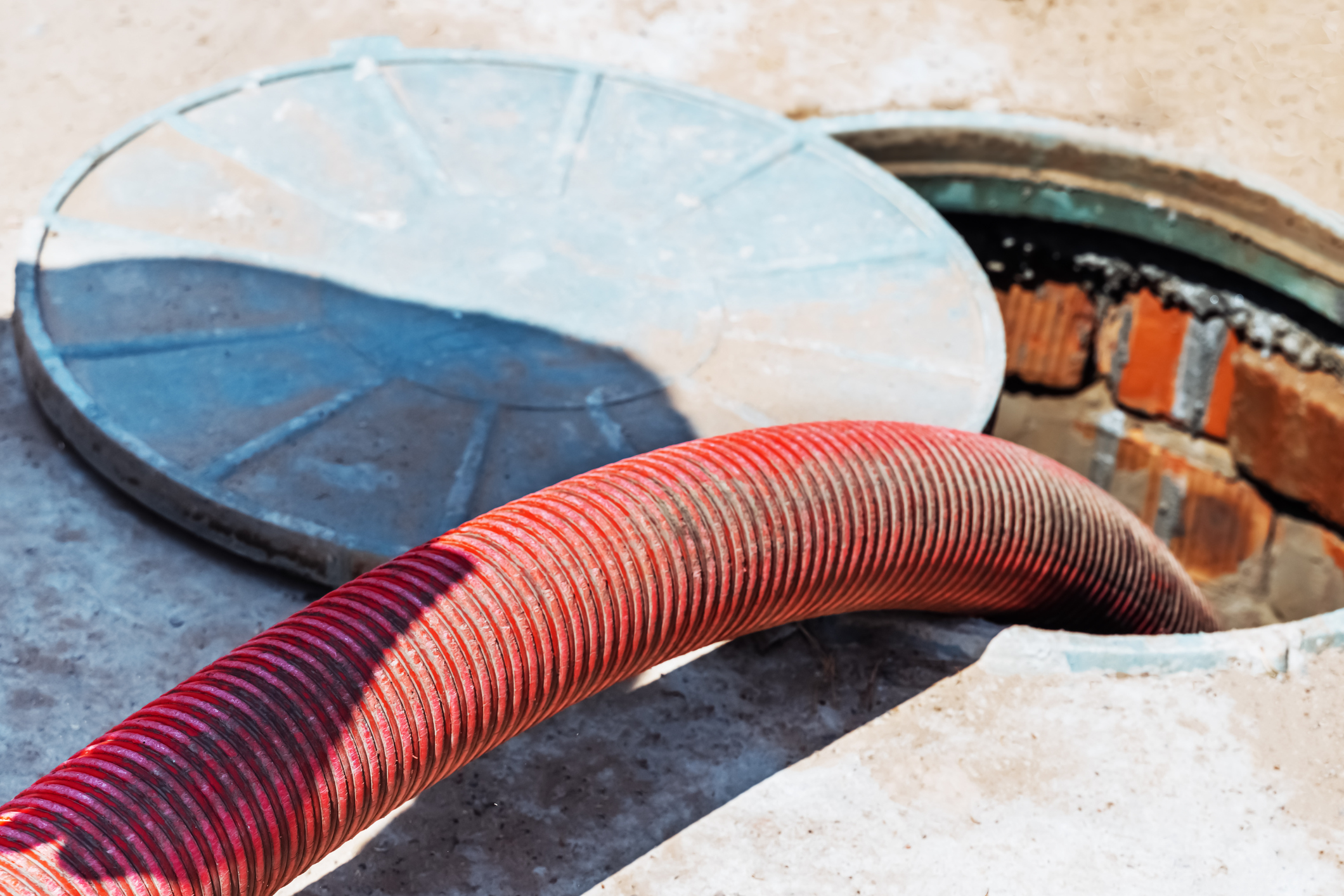
Septic Tank Cleaning Costs in Eugene, Oregon
While pricing varies, homeowners can typically expect:
- $300–$800 depending on tank size, accessibility, and frequency of service
- Preventative plans often reduce long-term expenses
For more detailed information and service options, visit the Septic Plans page from S.O.S. Septic Pumping LLC for transparent breakdowns.
FAQs About Septic System Problems and Maintenance
What are common septic tank repair issues in Eugene, Oregon?
Common septic tank repair issues in Oregon include slow drains, sewage backups, foul odors, clogged pipes, drain field failure, and overflowing tanks caused by heavy rainfall, tree roots, or lack of regular maintenance.
How can I tell if my septic system is failing?
Warning signs include foul odors, sewage pooling outside, greener grass over the drain field, or water backing up inside the home. If you notice any of these, schedule an inspection immediately.
How often should I schedule septic tank cleaning in Eugene, Oregon?
On average, every 3–5 years. However, local professionals recommend more frequent cleaning for larger households or older systems due to Eugene’s soil and seasonal conditions.
What are the best solutions for clogged septic systems?
The most effective solution is professional pumping combined with a full inspection. This removes sludge, clears blockages, and identifies structural issues before they worsen.
Can small issues become major septic failures?
Yes. Minor symptoms—like gurgling sounds or slow drains—often precede major failures. Early intervention is the key to avoiding expensive repairs and health risks.
How much does septic tank cleaning cost in Eugene?
Most homeowners pay between $300–$800. Factors include tank size, access, usage, and service frequency. Regular maintenance reduces long-term repair expenses.
Final Thoughts
Understanding common septic system problems and prioritizing proactive maintenance is essential for protecting your home, family, and investment. Whether you’re dealing with slow drains, unpleasant odors, or simply want to extend your system’s lifespan, regular septic tank cleaning is the most effective solution.
For local expertise, seasonal tips, and professional support, explore more from:
- When Should You Service Your Commercial Septic System?
- Septic Tank Pumping in Eugene: What to Expect This Fall
- Key Signs Your Septic Tank Needs Pumping
Consistent care today prevents costly emergencies tomorrow—keeping your septic system healthy, clean, and dependable for years to come.
Tags: